
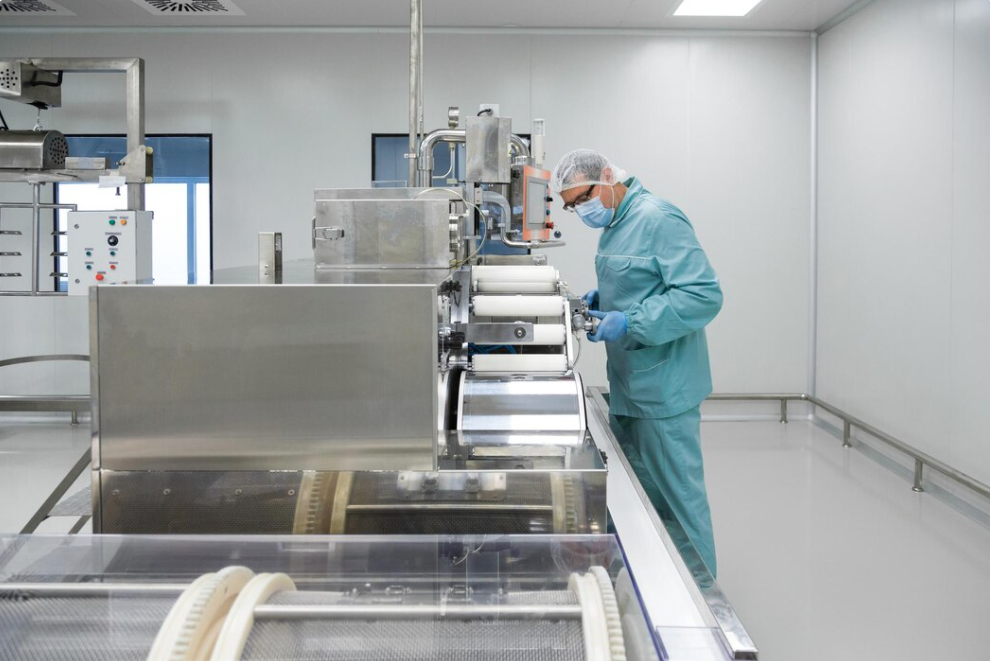
Ryogenic freezers are widely used in the food processing industry where fast, efficient, and controlled freezing is required. These systems are known for their ability to freeze products very quickly by using extremely low temperatures. As production demands increase and product quality requirements become stricter, ryogenic freezers play an important role in many industrial freezing applications.
What are ryogenic freezers?
Ryogenic freezers are industrial freezing systems that use liquid gases, typically liquid nitrogen or liquid carbon dioxide, to freeze food products. The term “ryogenic” refers to the use of very low temperatures, far below those achieved by conventional mechanical refrigeration systems.
In a ryogenic freezer, the liquid gas is injected into the freezing chamber, where it evaporates and absorbs heat from the product. This process allows for rapid temperature reduction and efficient heat transfer, making ryogenic freezers suitable for products that require fast freezing or minimal dehydration.
How ryogenic freezers work in practice
Ryogenic freezers operate by exposing products to extremely cold gas in a controlled environment. As the gas evaporates, it removes heat from the food surface and core. This results in fast and uniform freezing, even for products with irregular shapes or varying sizes.
Because ryogenic freezers do not rely on large mechanical refrigeration systems, they can often be installed more quickly and require less floor space. This makes them attractive for facilities with limited room or for temporary production expansions.
Ryogenic freezers and product quality
One of the main advantages of ryogenic freezers is their impact on product quality. Rapid freezing reduces the formation of large ice crystals, which helps preserve texture, flavor, and appearance. This is especially important for delicate products such as seafood, meat portions, fruits, and ready meals.
Ryogenic freezers also help reduce moisture loss during freezing. Limited dehydration means higher product yield and more consistent weight, which is important for both quality control and cost management.
Energy use and operational considerations of ryogenic freezers
Ryogenic freezers differ from mechanical freezing systems in terms of energy usage. Instead of electricity-driven compressors, these systems rely on the consumption of liquid gases. While this can reduce mechanical complexity and maintenance requirements, operating costs depend largely on gas prices and availability.
For some producers, ryogenic freezers are used as a flexible solution alongside traditional freezing systems. They are often applied during peak production periods or for specific products that benefit from rapid freezing.
Maintenance and reliability of ryogenic freezers
Ryogenic freezers are generally known for their mechanical simplicity. With fewer moving parts compared to conventional freezers, maintenance needs can be lower. Regular inspection of injection systems, controls, and safety components is still essential to ensure stable and safe operation.
Proper training and safety procedures are critical when working with ryogenic freezers, due to the use of extremely cold gases. When operated correctly, these systems are reliable and well-suited for industrial environments.
Ryogenic freezers in different food processing applications
Ryogenic freezers are used across various segments of the food industry. They are particularly suitable for high-value products where quality preservation is a priority. Their ability to handle variable production volumes also makes them useful for processors with changing demand.
Because ryogenic freezers can be adapted to different conveyor systems and product types, they offer flexibility in production planning. This makes them a practical choice for both large-scale producers and specialized processors.
Ryogenic freezers as part of a freezing strategy
Choosing ryogenic freezers is often a strategic decision based on product requirements, space limitations, and production flexibility. While they may not replace mechanical freezing systems entirely, ryogenic freezers complement existing setups and provide solutions where speed and quality are critical.
With proper integration and operation, ryogenic freezers support consistent freezing results and reliable production processes. In modern industrial freezing, they remain an important option for companies focused on efficiency, quality, and adaptability.
